The Conservation Agronomy Training Program is a collaborative effort between the Wisconsin Department of Agriculture, Trade and Consumer Protection (DATCP), Wisconsin Department of Natural Resources (DNR), Wisconsin Land + Water Conservation Association, and NRCS.
This program was developed in response to a growing need among conservation professionals for stronger agricultural knowledge and on-farm understanding. Many staff working in conservation come from non-agricultural backgrounds, which can make it challenging to effectively communicate and collaborate with farmers.
To address this gap, the program combines online learning with practical, three-day field training experiences. The online modules build foundational knowledge in agronomy, farm systems, and conservation practices; while the field training focuses on real-world application, including identifying resource concerns, understanding farmer perspectives, and developing practical conservation solutions.
Funded through the Environmental Protection Agency's Gulf Hypoxia Program, this training is designed to strengthen the connection between agriculture and conservation, improve communication with producers, and support more effective soil and water protection across Wisconsin. Training opportunities are currently funded through 2028.
Program Timeline and Training Dates
Overview
Each training site offers a full-season learning experience designed to follow real-time crop and conservation decision-making. Participants will return to the same host region throughout the growing season to observe practices, track outcomes, and build applied conservation agronomy skills in real-world conditions.
Application Timeline
Application deadline: May 15, 2026 (11:59 p.m.)
Selection notifications sent: May 22, 2026
Register at https://forms.office.com/g/ZcH0NXN8UP.
Field Training Locations and Dates
Participants will attend three on-farm field days within their selected region. Each location hosts a series of sessions throughout the growing season.
- Dunn County – Eau Galle
- June 19, August 7, and October 2, 2026
- Monroe County – Cashton
- June 23, August 11, October 13, 2026
- Sauk County – Rock Springs
- June 17, August 13, October 15, 2026
About the Host Farms
Herricks Dairy Farm
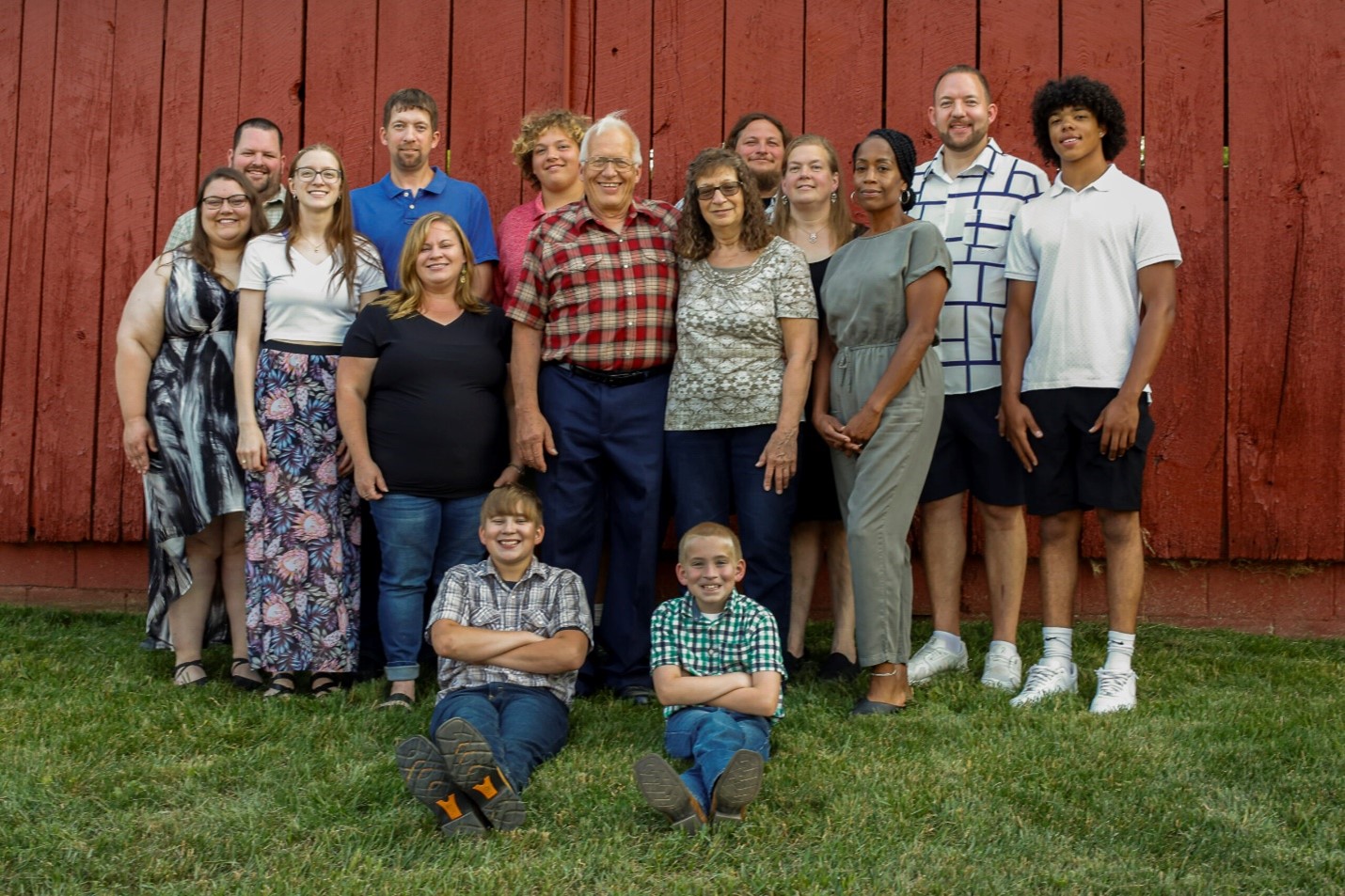
Herricks Dairy Farm is a multi-generational family dairy operation located in the rolling hills of Monroe County near Cashton, Wisconsin. Established in 1912, the farm is now operated by Jack and Pat Herricks along with their children and extended family, milking around 600 cows and farming approximately 1,400 acres.
The Herricks family is widely recognized for their long-standing commitment to conservation and soil health. They have been early adopters of practices such as no-till farming, contour strip cropping, cover crops, and water management structures to reduce erosion, improve water quality, and build resilient soils.
Their leadership in conservation earned them the prestigious 2014 Leopold Conservation Award, which recognizes farmers who demonstrate outstanding stewardship of land, water, and natural resources.
Weinzirl’s Val-O-Mo Farm
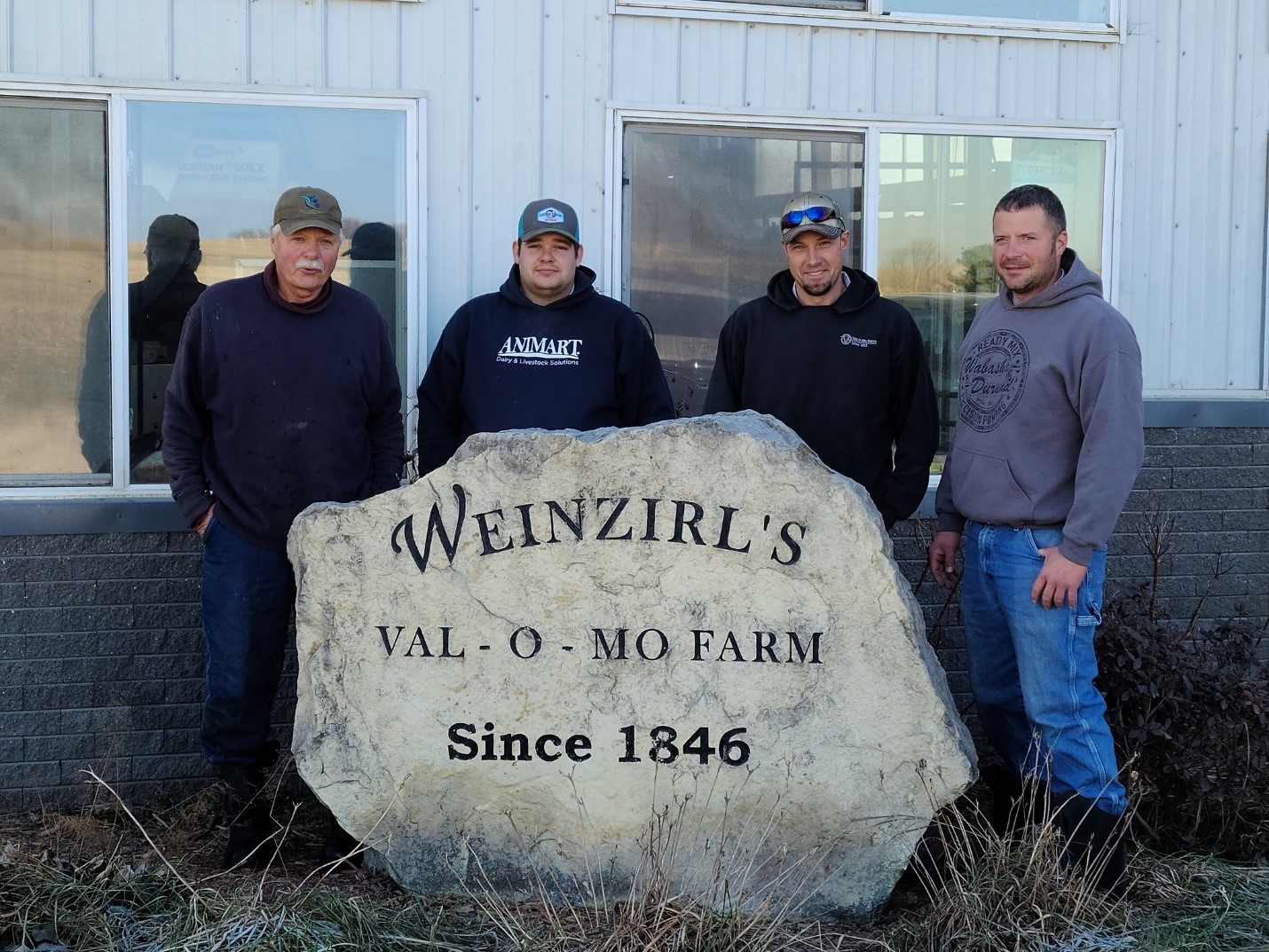
Val-O-Mo Farm is a seventh generation, 675-cow dairy operated by the Weinzirl Family since 1846. The farm works closely with LWCD and NRCS to install conservation practices and is also involved in the Lake Eau Galle Association. One of these practices was a manure lagoon and sand separation built in 2023. All manure applications are documented in their nutrient management plan. They grow soybeans, alfalfa, corn grain, and silage. They incorporate no-till and cereal rye cover crops.
Nolden Family Farm
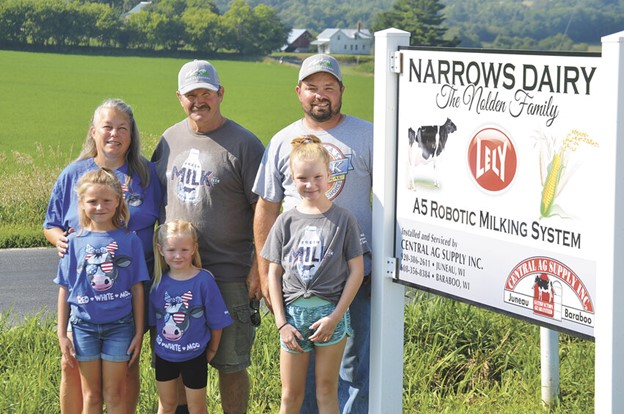
Nolden Family Farm is a family-operated dairy and crop farm focused on innovation and conservation. Ken Nolden and his son manage approximately 400 acres of cropland and pasture while milking around 150 Holsteins using a robotic milking system.
The farm integrates a variety of conservation practices, including managed grazing, cover crops, interseeding, composting, rotational grazing, streambank protection, and soil health studies. These efforts support improved soil health, water quality, and long-term resilience.
Ken is known for his inquisitive approach and willingness to try new ideas — even those others may doubt — and for openly sharing both successes and challenges. As an active member of the Southwest Wisconsin Producer-Led Watershed Group (SSWIG), he has hosted numerous soil health and grazing field days, helping advance conservation practices across the region.
Future Opportunities and Stay Connected
The Conservation Agronomy Training Program is part of a long-term effort to strengthen connections between agriculture and conservation across Wisconsin. Additional training opportunities are currently funded through 2027 and 2028.
Even if you are not selected for the 2026 cohort, we encourage you to stay connected. Future field days and related training opportunities will be shared as they become available.
If you are interested in future programming or want to learn more about conservation agronomy efforts in Wisconsin, please check back regularly for updates or reach out to our program team.